Close Modal

Dead Poets Society

Paperback
5.4"W x 8.23"H x 0.5"D   | 6 oz | 40 per carton
On sale Aug 04, 2026 | 192 Pages | 9781368119320
FOC Jul 6, 2026 | Catalog June 2026

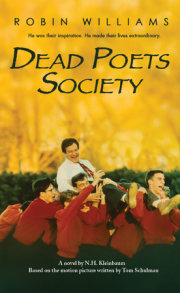
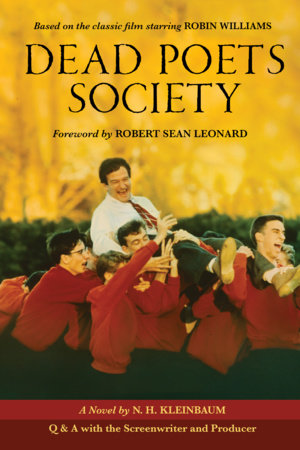
Carpe Diem – read the book based on the cult classic film starring Robin Williams—now with a new foreword by Robert Sean Leonard and a Q&A with the producer and screenwriter.

*** Voted #52 on the American Film Institute’s list 100 Years…100 Cheers: America’s Most Inspiring Movies ***


At New England boys boarding school Welton Academy, tradition is celebrated and high achievement is expected. When former Welton student and new English teacher John Keating encourages students to "make their lives extraordinary" with his unorthodox teaching methods, he shakes up the stuffy preperatory school's high-pressure environment and guides his pupils on a journey of self-discovery. 

Inspired by Keating, high school junior Todd Anderson and friends resurrect the Dead Poets Society—a secret club where, free from the constraints and expectations of school and parents, they let their passions run wild. But the Dead Poets pledges soon realize that their newfound freedom can have tragic consequences. Can the club and the individuality it inspires survive the pressure from authorities determined to destroy their dreams?

"Carpe diem. Seize the day, boys. Make your lives extraordinary."
N.H. Kleinbaum was an American writer and journalist. She was the author of the novel Dead Poets Society, which is based on the movie of the same name.
Available for sale exclusive:
•     Afghanistan
•     Aland Islands
•     Albania
•     Algeria
•     Andorra
•     Angola
•     Anguilla
•     Antarctica
•     Antigua/Barbuda
•     Argentina
•     Armenia
•     Aruba
•     Australia
•     Austria
•     Azerbaijan
•     Bahamas
•     Bahrain
•     Bangladesh
•     Barbados
•     Belarus
•     Belgium
•     Belize
•     Benin
•     Bermuda
•     Bhutan
•     Bolivia
•     Bonaire, Saba
•     Bosnia Herzeg.
•     Botswana
•     Bouvet Island
•     Brazil
•     Brit.Ind.Oc.Ter
•     Brit.Virgin Is.
•     Brunei
•     Bulgaria
•     Burkina Faso
•     Burundi
•     Cambodia
•     Cameroon
•     Canada
•     Cape Verde
•     Cayman Islands
•     Centr.Afr.Rep.
•     Chad
•     Chile
•     China
•     Christmas Islnd
•     Cocos Islands
•     Colombia
•     Comoro Is.
•     Congo
•     Cook Islands
•     Costa Rica
•     Croatia
•     Cuba
•     Curacao
•     Cyprus
•     Czech Republic
•     Dem. Rep. Congo
•     Denmark
•     Djibouti
•     Dominica
•     Dominican Rep.
•     Ecuador
•     Egypt
•     El Salvador
•     Equatorial Gui.
•     Eritrea
•     Estonia
•     Ethiopia
•     Falkland Islnds
•     Faroe Islands
•     Fiji
•     Finland
•     France
•     Fren.Polynesia
•     French Guinea
•     Gabon
•     Gambia
•     Georgia
•     Germany
•     Ghana
•     Gibraltar
•     Greece
•     Greenland
•     Grenada
•     Guadeloupe
•     Guam
•     Guatemala
•     Guernsey
•     Guinea Republic
•     Guinea-Bissau
•     Guyana
•     Haiti
•     Heard/McDon.Isl
•     Honduras
•     Hong Kong
•     Hungary
•     Iceland
•     India
•     Indonesia
•     Iran
•     Iraq
•     Ireland
•     Isle of Man
•     Israel
•     Italy
•     Ivory Coast
•     Jamaica
•     Japan
•     Jersey
•     Jordan
•     Kazakhstan
•     Kenya
•     Kiribati
•     Kuwait
•     Kyrgyzstan
•     Laos
•     Latvia
•     Lebanon
•     Lesotho
•     Liberia
•     Libya
•     Liechtenstein
•     Lithuania
•     Luxembourg
•     Macau
•     Macedonia
•     Madagascar
•     Malawi
•     Malaysia
•     Maldives
•     Mali
•     Malta
•     Marshall island
•     Martinique
•     Mauritania
•     Mauritius
•     Mayotte
•     Mexico
•     Micronesia
•     Minor Outl.Ins.
•     Moldavia
•     Monaco
•     Mongolia
•     Montenegro
•     Montserrat
•     Morocco
•     Mozambique
•     Myanmar
•     Namibia
•     Nauru
•     Nepal
•     Netherlands
•     New Caledonia
•     New Zealand
•     Nicaragua
•     Niger
•     Nigeria
•     Niue
•     Norfolk Island
•     North Korea
•     North Mariana
•     Norway
•     Oman
•     Pakistan
•     Palau
•     Palestinian Ter
•     Panama
•     PapuaNewGuinea
•     Paraguay
•     Peru
•     Philippines
•     Pitcairn Islnds
•     Poland
•     Portugal
•     Puerto Rico
•     Qatar
•     Reunion Island
•     Romania
•     Russian Fed.
•     Rwanda
•     S. Sandwich Ins
•     Saint Martin
•     Samoa,American
•     San Marino
•     SaoTome Princip
•     Saudi Arabia
•     Senegal
•     Serbia
•     Seychelles
•     Sierra Leone
•     Singapore
•     Sint Maarten
•     Slovakia
•     Slovenia
•     Solomon Islands
•     Somalia
•     South Africa
•     South Korea
•     South Sudan
•     Spain
•     Sri Lanka
•     St Barthelemy
•     St. Helena
•     St. Lucia
•     St. Vincent
•     St.Chr.,Nevis
•     St.Pier,Miquel.
•     Sth Terr. Franc
•     Sudan
•     Suriname
•     Svalbard
•     Swaziland
•     Sweden
•     Switzerland
•     Syria
•     Tadschikistan
•     Taiwan
•     Tanzania
•     Thailand
•     Timor-Leste
•     Togo
•     Tokelau Islands
•     Tonga
•     Trinidad,Tobago
•     Tunisia
•     Turkey
•     Turkmenistan
•     Turks&Caicos Is
•     Tuvalu
•     US Virgin Is.
•     USA
•     Uganda
•     Ukraine
•     Unit.Arab Emir.
•     United Kingdom
•     Uruguay
•     Uzbekistan
•     Vanuatu
•     Vatican City
•     Venezuela
•     Vietnam
•     Wallis,Futuna
•     West Saharan
•     Western Samoa
•     Yemen
•     Zambia
•     Zimbabwe

The bell rang, but not soon enough. “Thank God,” moaned Todd as he piled up his books. “I don’t think I could have taken another minute of that.”

“You’ll get used to old Hager,” Meeks consoled him. “Once you get the pace of it, you’ll do fine.”

“I’m already six paces behind,” Todd groaned as the boys walked together to their next class. He didn’t say another word as they dragged themselves into the English room, dropped their books on their desks, and fell into the seats.

The new English teacher, wearing a shirt and tie but no jacket, sat at the front of the room, staring out the window. The boys settled down and waited, grateful for a moment to relax and shed some of the pressure of the last few hours. Keating continued to stare out the window. The boys started to shuffle uncomfortably.

Finally Keating stood, picked up a yardstick, and started strolling up and down the aisles. He stopped and stared into the face of one of the boys. “Don’t be embarrassed,” he said kindly to the blushing boy.

He continued to move around the room, looking intently at the boys as he walked. “Uh-huh,” he said aloud, looking at Todd Anderson. “Uh-huh,” he repeated, moving toward Neil Perry.

“Ha!” He slapped his free hand with the yardstick and strode forcefully to the front of the room. “Nimble young minds!” Keating shouted, looking around at the class and gesturing with the yardstick.

He jumped dramatically onto his desk and turned to face the class. “‘O Captain! My Captain!’” he recited energetically, then looked around the room. “Who knows where that’s from? Anybody? No?” He looked piercingly at the silent boys. No one raised a hand. “It was written, my young scholars,” he said patiently, “by a poet named Walt Whitman about Abraham Lincoln. In this class you may refer to me as either Mr. Keating or ‘O Captain! My Captain!’”

He jumped down from the desk and resumed strolling the aisles, speaking as he moved. “So that I become the source of as few rumors as possible, let me tell you that, yes, I was a student at this institution many moons ago, and no, at that time I did not possess this charismatic personality.

“However, should you choose to emulate my manner, it can only help your grade. Pick up your textbooks from the back, gentlemen, and let’s retire to the Honor Room.”

Using the yardstick as a pointer, Keating headed to the door and walked out. The students sat, silent, not sure what to do.

“We’d better go with him,” Neil said, leading the class to the back of the room. They each picked up a text, gathered their books, and proceeded to the oak-paneled Welton Honor Room, where they had last waited to see Dean Nolan.

Keating walked around the room as the boys straggled in. He studied the walls, which were lined with class pictures dating back to the 1800s. Trophies of every description filled shelves and glass cases.

Sensing that everyone was seated, Keating turned toward the class. “Mister”—Keating looked down at his roster—“Pitts,” he said. “An unfortunate name. Stand up, Mister Pitts.” Pitts stood. “Open your text, Pitts, to page 542 and read for us the first stanza of the poem,” Keating instructed.

Pitts leafed through his book. “‘To the Virgins, To Make Much of Time’?” he asked.

“That’s the one,” Keating said, as the boys in the class chuckled out loud.

“Yes, sir,” Pitts said. He cleared his throat.

“Gather ye rosebuds while ye may,
Old time is still a flying:
And this same flower that smiles today,
Tomorrow will be dying.”

He stopped. “‘Gather ye rosebuds while ye may,’” Keating repeated. “The Latin term for that sentiment is Carpe Diem. Does anyone know what that means?”

“Carpe Diem,” Meeks, the Latin scholar, said. “Seize the day.”

“Very good, Mr. . . . ?”

“Meeks.”

“Seize the day,” Keating repeated. “Why does the poet write these lines?”

“Because he’s in a hurry?” one student called out as the others snickered.

“No, No, No! It’s because we’re food for worms, lads!” Keating shouted. “Because we’re only going to experience a limited number of springs, summers, and falls.

“One day, hard as it is to believe, each and every one of us is going to stop breathing, turn cold, and die!” He paused dramatically. “Stand up,” he urged the students, “and peruse the faces of the boys who attended this school sixty or seventy years ago. Don’t be timid; go look at them.”

The boys got up and walked to the class pictures lining the honor-room walls. They looked at faces of young men, staring out at them from the past.

“They’re not that different than any of you, are they? Hope in their eyes, just like yours. They believe themselves destined for wonderful things, just like many of you. Well, where are those smiles now, boys? What of the hope?”

The boys stared at the photos, their faces sober and reflective. Keating walked swiftly around the room, pointing from photo to photo.

“Did most of them not wait until it was too late before making their lives into even one iota of what they were capable? In chasing the almighty deity of success, did they not squander their boyhood dreams? Most of those gentlemen are fertilizing daffodils now! However, if you get very close, boys, you can hear them whisper. Go ahead,” he urged, “lean in. Go on. Hear it? Can you?” The boys were quiet, some of them leaned hesitantly toward the photographs. “Carpe Diem,” Keating whispered loudly. “Seize the day. Make your lives extraordinary.”

Todd, Neil, Knox, Charlie, Cameron, Meeks, Pitts, and the other boys all stared into the pictures on the walls, lost in thoughts that were rudely interrupted by the bell.

“Weird,” Pitts said as he gathered up his books.

“But different,” Neil said thoughtfully.

“Spooky,” Knox added, shivering slightly, as he headed out of the room.

“You think he’ll test us on that stuff?” Cameron asked, looking confused.

“Oh, come on, Cameron,” Charlie laughed, “don’t you get anything?”

About

Carpe Diem – read the book based on the cult classic film starring Robin Williams—now with a new foreword by Robert Sean Leonard and a Q&A with the producer and screenwriter.

*** Voted #52 on the American Film Institute’s list 100 Years…100 Cheers: America’s Most Inspiring Movies ***


At New England boys boarding school Welton Academy, tradition is celebrated and high achievement is expected. When former Welton student and new English teacher John Keating encourages students to "make their lives extraordinary" with his unorthodox teaching methods, he shakes up the stuffy preperatory school's high-pressure environment and guides his pupils on a journey of self-discovery. 

Inspired by Keating, high school junior Todd Anderson and friends resurrect the Dead Poets Society—a secret club where, free from the constraints and expectations of school and parents, they let their passions run wild. But the Dead Poets pledges soon realize that their newfound freedom can have tragic consequences. Can the club and the individuality it inspires survive the pressure from authorities determined to destroy their dreams?

"Carpe diem. Seize the day, boys. Make your lives extraordinary."

Creators

N.H. Kleinbaum was an American writer and journalist. She was the author of the novel Dead Poets Society, which is based on the movie of the same name.

Excerpt

The bell rang, but not soon enough. “Thank God,” moaned Todd as he piled up his books. “I don’t think I could have taken another minute of that.”

“You’ll get used to old Hager,” Meeks consoled him. “Once you get the pace of it, you’ll do fine.”

“I’m already six paces behind,” Todd groaned as the boys walked together to their next class. He didn’t say another word as they dragged themselves into the English room, dropped their books on their desks, and fell into the seats.

The new English teacher, wearing a shirt and tie but no jacket, sat at the front of the room, staring out the window. The boys settled down and waited, grateful for a moment to relax and shed some of the pressure of the last few hours. Keating continued to stare out the window. The boys started to shuffle uncomfortably.

Finally Keating stood, picked up a yardstick, and started strolling up and down the aisles. He stopped and stared into the face of one of the boys. “Don’t be embarrassed,” he said kindly to the blushing boy.

He continued to move around the room, looking intently at the boys as he walked. “Uh-huh,” he said aloud, looking at Todd Anderson. “Uh-huh,” he repeated, moving toward Neil Perry.

“Ha!” He slapped his free hand with the yardstick and strode forcefully to the front of the room. “Nimble young minds!” Keating shouted, looking around at the class and gesturing with the yardstick.

He jumped dramatically onto his desk and turned to face the class. “‘O Captain! My Captain!’” he recited energetically, then looked around the room. “Who knows where that’s from? Anybody? No?” He looked piercingly at the silent boys. No one raised a hand. “It was written, my young scholars,” he said patiently, “by a poet named Walt Whitman about Abraham Lincoln. In this class you may refer to me as either Mr. Keating or ‘O Captain! My Captain!’”

He jumped down from the desk and resumed strolling the aisles, speaking as he moved. “So that I become the source of as few rumors as possible, let me tell you that, yes, I was a student at this institution many moons ago, and no, at that time I did not possess this charismatic personality.

“However, should you choose to emulate my manner, it can only help your grade. Pick up your textbooks from the back, gentlemen, and let’s retire to the Honor Room.”

Using the yardstick as a pointer, Keating headed to the door and walked out. The students sat, silent, not sure what to do.

“We’d better go with him,” Neil said, leading the class to the back of the room. They each picked up a text, gathered their books, and proceeded to the oak-paneled Welton Honor Room, where they had last waited to see Dean Nolan.

Keating walked around the room as the boys straggled in. He studied the walls, which were lined with class pictures dating back to the 1800s. Trophies of every description filled shelves and glass cases.

Sensing that everyone was seated, Keating turned toward the class. “Mister”—Keating looked down at his roster—“Pitts,” he said. “An unfortunate name. Stand up, Mister Pitts.” Pitts stood. “Open your text, Pitts, to page 542 and read for us the first stanza of the poem,” Keating instructed.

Pitts leafed through his book. “‘To the Virgins, To Make Much of Time’?” he asked.

“That’s the one,” Keating said, as the boys in the class chuckled out loud.

“Yes, sir,” Pitts said. He cleared his throat.

“Gather ye rosebuds while ye may,
Old time is still a flying:
And this same flower that smiles today,
Tomorrow will be dying.”

He stopped. “‘Gather ye rosebuds while ye may,’” Keating repeated. “The Latin term for that sentiment is Carpe Diem. Does anyone know what that means?”

“Carpe Diem,” Meeks, the Latin scholar, said. “Seize the day.”

“Very good, Mr. . . . ?”

“Meeks.”

“Seize the day,” Keating repeated. “Why does the poet write these lines?”

“Because he’s in a hurry?” one student called out as the others snickered.

“No, No, No! It’s because we’re food for worms, lads!” Keating shouted. “Because we’re only going to experience a limited number of springs, summers, and falls.

“One day, hard as it is to believe, each and every one of us is going to stop breathing, turn cold, and die!” He paused dramatically. “Stand up,” he urged the students, “and peruse the faces of the boys who attended this school sixty or seventy years ago. Don’t be timid; go look at them.”

The boys got up and walked to the class pictures lining the honor-room walls. They looked at faces of young men, staring out at them from the past.

“They’re not that different than any of you, are they? Hope in their eyes, just like yours. They believe themselves destined for wonderful things, just like many of you. Well, where are those smiles now, boys? What of the hope?”

The boys stared at the photos, their faces sober and reflective. Keating walked swiftly around the room, pointing from photo to photo.

“Did most of them not wait until it was too late before making their lives into even one iota of what they were capable? In chasing the almighty deity of success, did they not squander their boyhood dreams? Most of those gentlemen are fertilizing daffodils now! However, if you get very close, boys, you can hear them whisper. Go ahead,” he urged, “lean in. Go on. Hear it? Can you?” The boys were quiet, some of them leaned hesitantly toward the photographs. “Carpe Diem,” Keating whispered loudly. “Seize the day. Make your lives extraordinary.”

Todd, Neil, Knox, Charlie, Cameron, Meeks, Pitts, and the other boys all stared into the pictures on the walls, lost in thoughts that were rudely interrupted by the bell.

“Weird,” Pitts said as he gathered up his books.

“But different,” Neil said thoughtfully.

“Spooky,” Knox added, shivering slightly, as he headed out of the room.

“You think he’ll test us on that stuff?” Cameron asked, looking confused.

“Oh, come on, Cameron,” Charlie laughed, “don’t you get anything?”
Penguin Random House Comics Retail