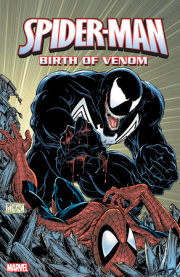
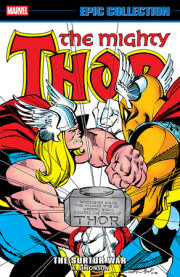
After achieving industry acclaim for DC’s award-winning “Manhunter” feature in Detective Comics, Walter Simonson moved to Marvel where he introduced multiple characters and concepts from both myth and outer space during his revered run scripting and penciling Thor. He collaborated with his wife, Louise, on both X-Factor and Wildstorm’s World of Warcraft, later returning to Marvel to illustrate Brian Michael Bendis’ Avengers.
After beginning his writing career on DC horror titles, David Michelinie moved to Marvel. He and co-writer/inker Bob Layton established Iron Man’s battle with alcoholism, use of specialized armor variants and vendetta against Doctor Doom, as well as other aspects of the character that endure to this day. Michelinie’s unique blend of action, suspense and humor distinguished not only Iron Man, but also Amazing Spider-Man. With artist Todd McFarlane, he introduced the vicious vigilante Venom; he also wrote the first Venom limited series, Lethal Protector. Michelinie’s run as Amazing writer was second in length only to that of Stan Lee himself, while he also authored tie-in titles Spectacular Spider-Man, Web of Spider-Man and Spider-Man. He moved from Marvel’s flagship character to DC’s with a stint on Superman’s Action Comics, later returning to the world of Tony Stark for writing collaborations with Bob Layton on Iron Man: Legacy of Doom and Iron Man: The End.
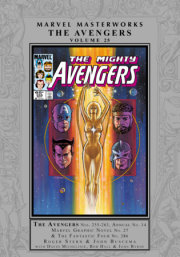
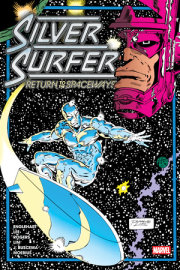
John Buscema (1927-2002) literally wrote the book on being a Marvel artist — namely, How To Draw Comics the Marvel Way — and few were better qualified. His career dated back to the Timely/Atlas era of the late ’40s and early ’50s. Soon after beginning the Marvel Age of Comics, Stan Lee recruited Buscema from the advertising field to the Marvel Bullpen. Buscema followed a long run on Avengers with the long-anticipated first Silver Surfer series. He subsequently succeeded Jack Kirby on Fantastic Four, Thor and other titles. By the time of his retirement in 1996, Buscema had penciled nearly every Marvel title — including his personal favorite, Conan the Barbarian.
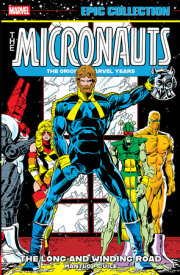
Jackson “Butch” Guice began his Marvel career during the 1980s penciling Micronauts, New Mutants and X-Factor. He moved to DC for a fan-favorite run on Flash, subsequently illustrating nearly three years’ worth of Action Comics and participating in the “Death of Superman” event. He also co-created Resurrection Man and provided artwork for Birds of Prey. Back at Marvel, he penciled Captain America, Iron Man, Ultimate Origins and more. He has also worked on CrossGen’s Ruse, Dark Horse’s film tie-ins Terminator: Endgame and Aliens/Predator, First’s Badger and Nexus, and Valiant’s Eternal Warrior.
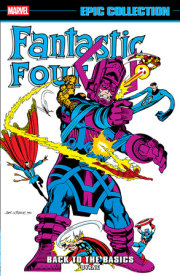
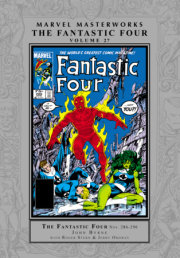
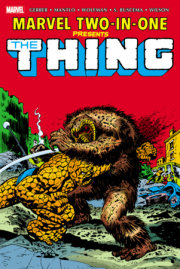
John Byrne has worked continuously in the comics industry as both writer and artist since 1975. After he initially collaborated with writer Chris Claremont on Iron Fist, Byrne and Claremont moved on to X-Men for a run still regarded as one of the title’s finest. Byrne contributed an equally famed stint on Fantastic Four, earning comparisons to the original Lee/Kirby issues for his imaginative plotlines and dynamic artwork. He also spun Alpha Flight into its own title. In 1986, he revamped DC’s flagship hero, Superman, reimagining the Man of Steel in a historic project heralded by a Time magazine cover. His remarkable contribution to the Marvel Universe extends to memorable associations with virtually every major hero, including celebrated runs on Captain America, Iron Man, Sensational She-Hulk, Namor the Sub-Mariner and Thing. In the 21st century, Byrne’s considerable body of work includes IDW’s Star Trek and Angel.







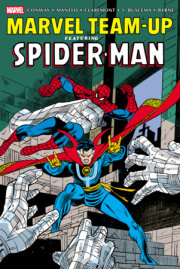
![Marvel Team-Up Omnibus Vol. 2 Dave Cockrum Cover [DM Only]](https://images.penguinrandomhouse.com/cover/9781302971274?width=180)
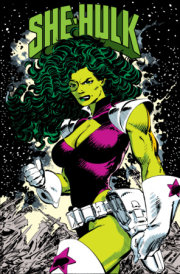
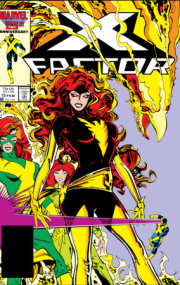


![Marvel Fanfare Omnibus Vol. 3 Walter Simonson Cover [DM Only]](https://images.penguinrandomhouse.com/cover/9781302968472?width=180)



![Captain America Omnibus Vol. 5 Frank Miller Cover [DM Only]](https://images.penguinrandomhouse.com/cover/9781302968236?width=180)


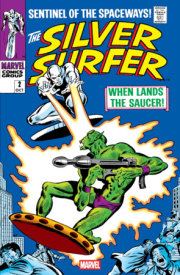
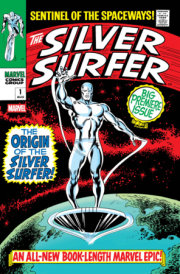
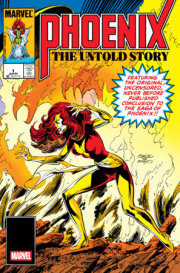
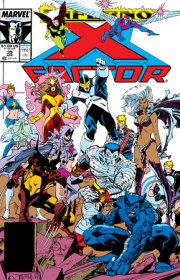
![X-Men Epic Collection: Lonely Are The Hunted [New Printing]](https://images.penguinrandomhouse.com/cover/9781302967697?width=180)
![Avengers Epic Collection: Under Siege [New Printing]](https://images.penguinrandomhouse.com/cover/9781302967642?width=180)

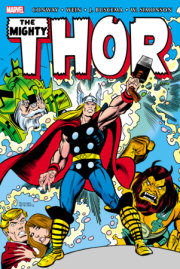
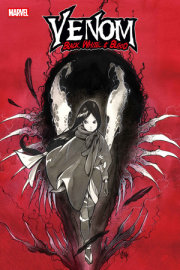
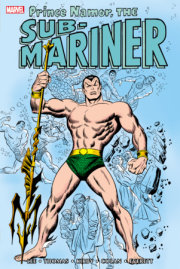
![Avengers West Coast Epic Collection: Vision Quest [New Printing]](https://images.penguinrandomhouse.com/cover/9781302963910?width=180)
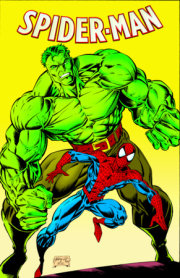
![Marvel Masterworks: The Silver Surfer Vol. 1 [Remasterworks]](https://images.penguinrandomhouse.com/cover/9781302956042?width=180)
![Silver Surfer Omnibus Vol. 1 John Buscema First Issue Cover [New Printing 2]](https://images.penguinrandomhouse.com/cover/9781302963583?width=180)
![Fantastic Four Epic Collection: The More Things Change... [New Printing]](https://images.penguinrandomhouse.com/cover/9781302963927?width=180)
![Amazing Spider-Man Epic Collection: Venom [New Printing]](https://images.penguinrandomhouse.com/cover/9781302963903?width=180)

![Iron Man Epic Collection: Stark Wars [New Printing]](https://images.penguinrandomhouse.com/cover/9781302960476?width=180)
![Micronauts: The Original Marvel Years Omnibus Vol. 3 Arthur Adams Cover [DM Only]](https://images.penguinrandomhouse.com/cover/9781302956806?width=180)
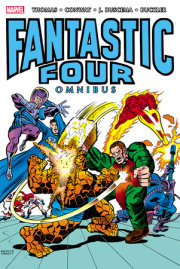
![The Uncanny X-Men Omnibus Vol. 2 Stuart Immonen Cover [New Printing 3]](https://images.penguinrandomhouse.com/cover/9781302959074?width=180)
![Spider-Man By Michelinie & Larsen Omnibus Erik Larsen Spider-Man Cover [New Printing]](https://images.penguinrandomhouse.com/cover/9781302959036?width=180)
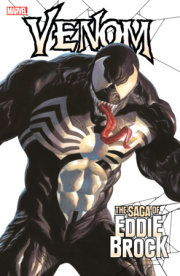
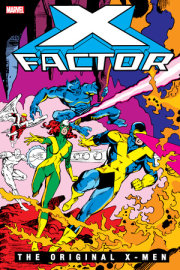

![Fantastic Four Epic Collection: Into The Time Stream [New Printing]](https://images.penguinrandomhouse.com/cover/9781302957896?width=180)

![Silver Surfer Epic Collection: Freedom [New Printing]](https://images.penguinrandomhouse.com/cover/9781302957926?width=180)
![Amazing Spider-Man Epic Collection: Return Of The Sinister Six [New Printing]](https://images.penguinrandomhouse.com/cover/9781302957889?width=180)
![Thor By Walter Simonson Omnibus Simonson Thor & Balder The Brave Cover [New Printing 2]](https://images.penguinrandomhouse.com/cover/9781302957612?width=180)
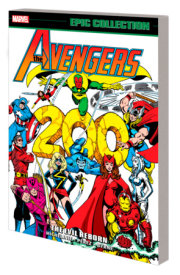
![Amazing Spider-Man Epic Collection: Assassin Nation [New Printing]](https://images.penguinrandomhouse.com/cover/9781302957902?width=180)
![Amazing Spider-Man Epic Collection: The Secret Of The Petrified Tablet [New Printing]](https://images.penguinrandomhouse.com/cover/9781302957810?width=180)
![X-Men Epic Collection: The Fate Of The Phoenix [New Printing]](https://images.penguinrandomhouse.com/cover/9781302950507?width=180)
![X-Men: Dark Phoenix Saga [New Printing 2]](https://images.penguinrandomhouse.com/cover/9781302950033?width=180)
![Venom: Lethal Protector [New Printing]](https://images.penguinrandomhouse.com/cover/9781302911768?width=180)